
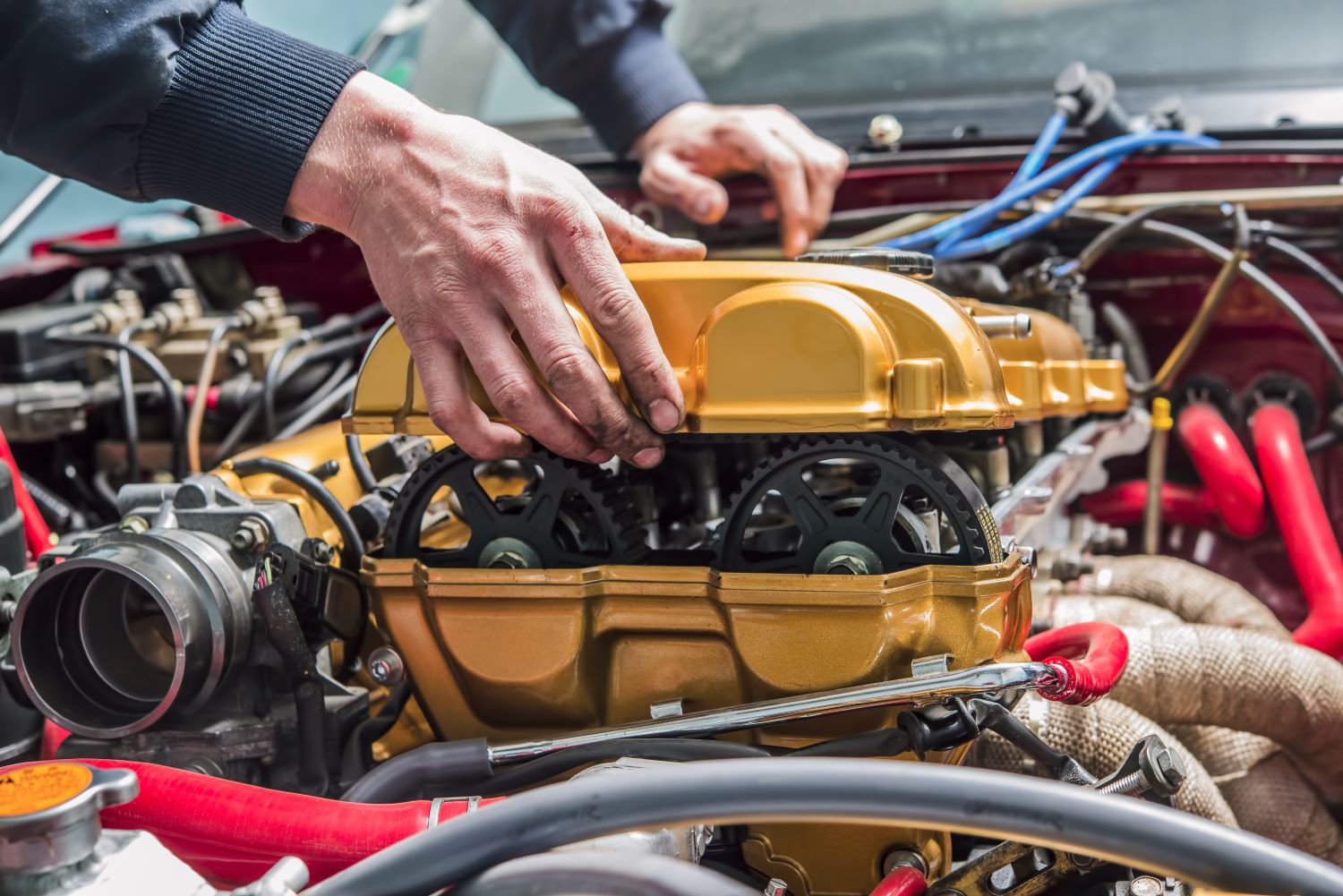
A vehicle’s engine bay is more than a place for mechanical components. For enthusiasts who appreciate thoughtful automotive design, it can also be an area where organization, material quality, and visual presentation come together. Whether a car is being prepared for a show, restored to excellent condition, or simply maintained with care, attention to the engine compartment can make a meaningful difference.
Engine bay styling should always balance appearance with practicality. Components must remain accessible, heat must be managed appropriately, and modifications should not interfere with essential systems. With a clear plan, owners can create a cleaner and more cohesive engine compartment while preserving everyday usability.
Why the Engine Bay Deserves Attention
Exterior modifications often receive the most attention because they are immediately visible. However, the engine compartment can reveal just as much about the quality of a vehicle’s upkeep. A clean, organized bay suggests that the owner has considered both mechanical condition and presentation.
Dust, road grime, loose wiring, and deteriorating covers can make even a well-maintained vehicle appear neglected. Regular cleaning and sensible component placement can improve its overall appearance without requiring extensive modifications.
The first step is to establish a baseline. Inspect visible hoses, electrical connections, fasteners, fluid reservoirs, and existing covers. If anything appears damaged, loose, or unusually worn, address the mechanical concern before investing in cosmetic improvements.
Understanding the Purpose of Engine Covers
Engine covers help organize the appearance of the engine compartment by concealing selected components and creating a more finished visual arrangement. Depending on the vehicle, they may also help manage airflow, reduce exposure to certain contaminants, or limit contact with hot or moving components.
However, an engine cover is not simply a decorative panel. Its shape, mounting points, material, and heat tolerance must suit the specific vehicle and operating environment.
Choosing the Right Design
The best design complements the vehicle rather than looking like an unrelated accessory. Some owners prefer an understated factory-style finish, while others favor a more distinctive appearance that matches their broader modification theme.
When considering aftermarket auto engine covers check the intended vehicle application, mounting arrangement, material specifications, and any installation requirements. A well-chosen cover should fit securely without obstructing routine inspections or maintenance access.
Material and Finish Considerations
Different materials offer different combinations of weight, durability, finish, and cost. Plastic covers are common on production vehicles because they can be molded into complex shapes. Composite materials may appeal to enthusiasts seeking a particular surface texture or a more specialized appearance.
Regardless of material, verify that the cover is suitable for the temperatures and conditions found in its intended location. A visually attractive component is not a good choice if it deforms, deteriorates, or interferes with nearby parts.
Keeping Appearance and Function in Balance
An attractive engine bay should remain functional. Components such as fluid reservoirs, service points, electrical connectors, and moving mechanisms need appropriate clearance. Decorative additions should never make routine maintenance unnecessarily difficult.
Before changing the layout, identify the areas that technicians need to access. Leave adequate space around serviceable parts and make sure fasteners can be removed using suitable tools.
It is also important to avoid covering warning labels, obstructing ventilation openings, or interfering with factory heat shields. If a component appears to have a thermal or protective function, do not remove or replace it without confirming that the alternative provides the necessary protection.
Cleaning and Maintaining the Engine Compartment
A consistent maintenance routine helps preserve both appearance and component condition. Begin with a cool engine and follow the vehicle manufacturer’s cleaning guidance. Avoid directing high-pressure water at electrical connections, air intakes, sensitive sensors, or other vulnerable areas.
Use products suitable for the relevant materials. A cleaner intended for painted surfaces may not be appropriate for every plastic, rubber, or composite finish. Test unfamiliar products on a small, inconspicuous area before applying them more broadly.
Inspecting Covers and Mounting Points
During routine checks, look for cracked edges, loose clips, missing fasteners, discoloration, or signs of contact with nearby components. Pay attention to unusual rattling or movement, as these may indicate that a cover is not secured correctly.
If a panel has shifted, determine why before simply tightening it. Incorrect fitment, damaged mounting points, or heat-related distortion may require a more comprehensive solution.
Keeping the Finish Consistent
A uniform finish can make the engine compartment appear more carefully assembled. Clean away residue, avoid excessive dressing products, and use compatible materials where different surfaces meet. The goal is a tidy, durable result rather than a temporary shine that attracts dust or conceals developing problems.
Planning a Thoughtful Engine Bay Upgrade
A successful upgrade begins with research. Confirm the vehicle’s make, model, year, engine configuration, and any existing modifications. Vehicles that look similar externally may have different layouts beneath the hood, so appearance alone is not enough to establish compatibility.
Set a realistic budget that includes the component, required hardware, installation labor, and any additional work needed to achieve a secure fit. If a modification involves heat-sensitive materials, electrical systems, or structural changes, seek guidance from a qualified automotive professional.
It is also worth considering the vehicle’s overall design. An engine cover that complements the exterior color, interior trim, and other components can create a more intentional look than several unrelated accessories.
Conclusion
Engine bay styling is most successful when appearance and practical engineering receive equal attention. Cleanliness, secure mounting, compatible materials, and thoughtful design can help an engine compartment look well cared for without compromising access or function. By researching fitment carefully and maintaining components regularly, vehicle owners can create a polished result that supports the car’s overall presentation and long-term usability.
FAQs
1. What is the purpose of an engine cover?
An engine cover can create a more organized appearance and, depending on its design, may provide limited protection or help manage airflow. Its exact function varies by vehicle and component.
2. Can an aftermarket engine cover fit any vehicle?
No. Fitment depends on the vehicle’s make, model, year, engine layout, and mounting points. Always confirm compatibility before purchasing or installing a replacement.
3. How often should an engine bay be cleaned?
The ideal schedule depends on driving conditions and manufacturer recommendations. Periodic inspections and gentle cleaning when necessary help maintain appearance while making it easier to notice leaks, damage, or loose components.